Dubai does not just sell luxury. It sells a feeling. From futuristic skyscrapers to spotless malls and beach clubs that look designed for Instagram, the city has mastered the art of making life appear exciting, comfortable, and aspirational. But beneath the glamorous branding lies a deeper strategy: Dubai’s “happiness economy.”
The idea is simple but powerful. Instead of treating happiness as a side effect of economic success, the UAE increasingly treats happiness itself as an economic asset.
What Is Dubai’s Happiness Economy?
Dubai’s “happiness economy” is a government-backed strategy that focuses on improving the quality of life to strengthen the economy. The idea is that happier residents, workers, and visitors are more productive, spend more money, and are more likely to invest in the city long-term.
This approach goes far beyond tourism campaigns or luxury branding. The UAE has built actual government frameworks around wellbeing, mental health, and life satisfaction. The country consistently ranks among the happiest nations in the Middle East and placed 21st globally in the World Happiness Report. For a relatively young country in a harsh desert climate, that ranking is a major part of its global image.
The Happiness Agenda
One of the biggest drivers behind this model is Dubai’s “Happiness Agenda,” launched by Digital Dubai. The initiative uses smart city technology, AI systems, and real-time data to measure resident satisfaction across both public and private sectors. Government services are increasingly designed around customer experience, speed, and convenience.
In practical terms, this means reducing waiting times, digitizing services, improving transportation systems, and making daily life feel smoother. Dubai understands that convenience creates emotional satisfaction. Ordering groceries in minutes, accessing government apps instantly, or moving through clean and efficient spaces all contribute to how people experience the city. The result is a lifestyle that feels highly optimized.
National Wellbeing Strategy 2031
Beyond Dubai itself, the UAE also launched the National Wellbeing Strategy 2031, a federal roadmap focused on mental health, community connection, and overall quality of life. The strategy encourages workplaces to improve work-life balance, supports mental wellness programs, and promotes stronger social bonds across communities.
This matters because the UAE’s population is incredibly international. Expats make up the majority of residents, meaning the country constantly competes to attract and retain global talent. Creating an environment where professionals feel safe, comfortable, and motivated is not just socially beneficial. It is economically smart.
Why Dubai Feels Different
Many visitors immediately notice that Dubai feels unusually polished. The roads are clean. Public spaces are heavily maintained. Customer service is often fast and professional. Even the architecture is designed to create an emotional impact.
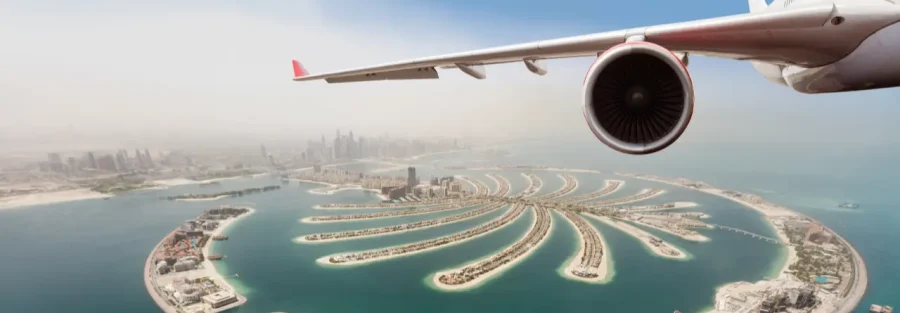
Dubai Marina, Downtown Dubai, and Palm Jumeirah are not simply neighborhoods. They are experiences carefully built around aspiration and visual appeal. The city also minimizes inconvenience wherever possible. Delivery apps, digital banking, smart government systems, and 24/7 services create a sense that life runs efficiently. That feeling becomes addictive for many residents.
The Role of Social Media
Dubai’s happiness economy also benefits enormously from social media culture. The city is visually engineered for online attention. Influencers, entrepreneurs, and tourists constantly post luxury hotels, rooftop dinners, desert adventures, and futuristic skylines.
This creates a powerful feedback loop. The more beautiful Dubai looks online, the more people want to visit or move there. In many ways, Dubai transformed aesthetics into economic infrastructure. Critics sometimes call this superficial, but modern cities increasingly compete through perception. Dubai simply embraced that reality earlier and more aggressively than most places.
The Criticism Behind the Branding
Of course, not everyone views Dubai’s happiness economy positively. Critics argue that the city focuses heavily on image management and luxury branding while avoiding deeper conversations about inequality, labor conditions, and freedom of expression.
Others believe the pressure to appear successful can create stress, especially in a city where social status and lifestyle are highly visible. Dubai’s culture of ambition can sometimes feel intense. Between luxury cars, designer fashion, and social media-driven lifestyles, many residents feel pressure to constantly “keep up.”
Still, even many critics admit that Dubai delivers something modern cities often struggle to provide: efficiency, safety, and optimism.
So, Can Propaganda Be Beautiful?
This is the question at the center of Dubai’s global image. If a government intentionally designs cities, services, and experiences to make people feel satisfied, inspired, and proud, does that count as propaganda? Or is it simply smart urban planning?
The truth probably lies somewhere in between.
Dubai clearly invests heavily in shaping how the world sees it. But at the same time, millions of residents genuinely enjoy the lifestyle the city offers. The safety is real. The convenience is real. The ambition is real.
Dubai’s happiness economy works because it blends branding with tangible experience. It does not just advertise luxury and efficiency; it actively builds systems designed to deliver them. And in a world where cities compete for global talent, tourism, and investment, that may be one of the most effective economic strategies of the modern era.