Dubai spent fifty years building upward for the world to see. Its newest megaproject will be completely invisible, and that is exactly the point.
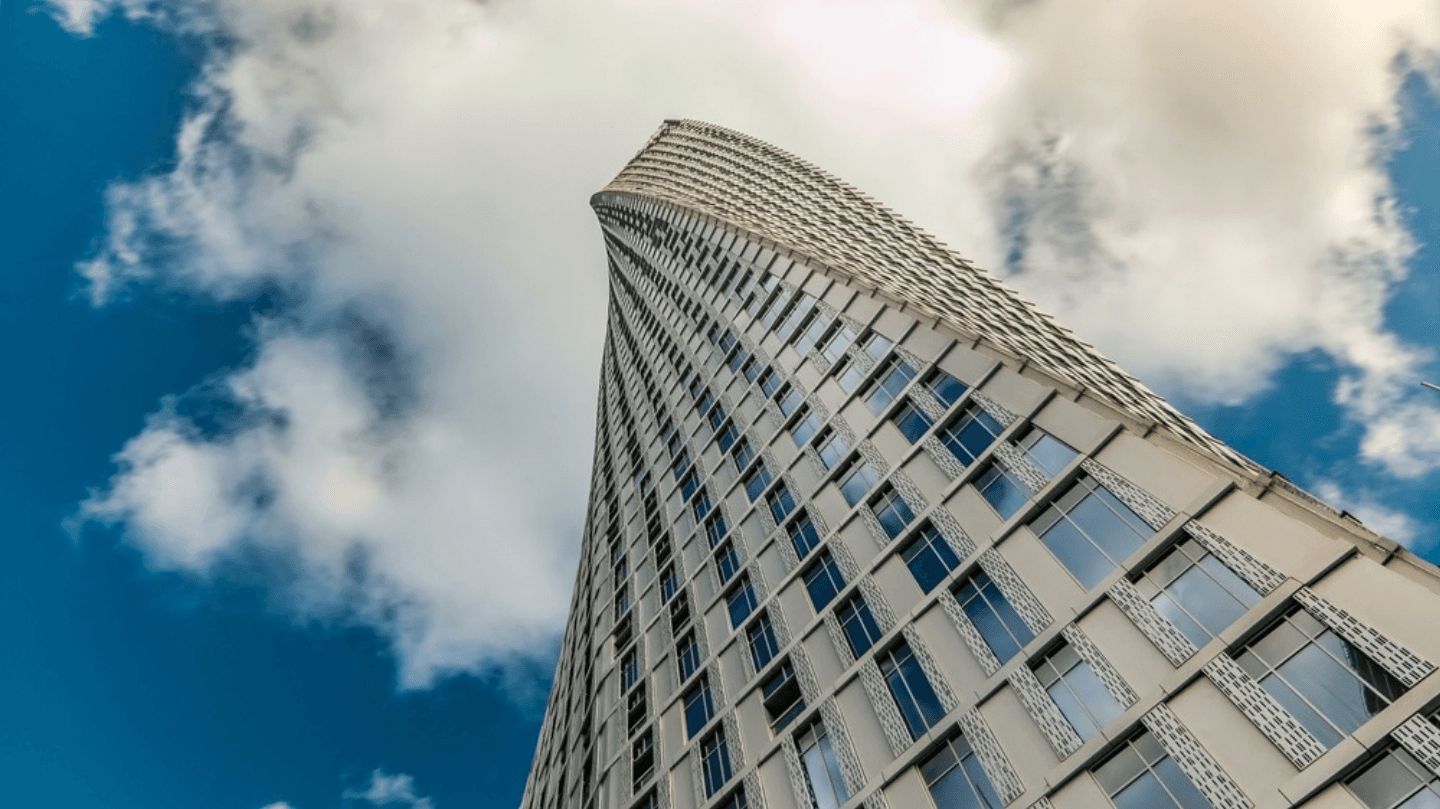
Dubai's greatest hits all have one thing in common: you can see them from very far away. The tallest building on Earth. The palm-shaped islands visible from space. A skyline that exists mostly to be photographed. So the city's newest big move is a genuine plot twist, because nobody will ever see it at all. In September 2026, The Boring Company, the tunnelling firm founded by Elon Musk, announced it had raised 3 billion dollars in a funding round led by the UAE and its affiliated investment entities, valuing the company at 23 billion dollars, with plans to dig more than 150 kilometres of tunnels across the Emirates.
Read that carefully, because two different things just happened. The UAE is getting tunnels, yes. But the UAE also led the financing of the company that digs them, alongside names like Andreessen Horowitz and Sequoia Capital. The country did not simply place an order. It bought a serious seat in the business itself, one now valued at four times what it was worth in 2022.
What the Dubai Loop actually is
The centrepiece is the Dubai Loop, an underground transport network being built with Dubai's Roads and Transport Authority. The agreement to build it was signed at the World Governments Summit earlier this year, a year after the two sides first agreed to study the idea. The plan starts with a pilot: a 6.4 kilometre route with four stations connecting the Dubai International Financial Centre and Dubai Mall, at an estimated cost of around 154 million dollars. The full route is designed to stretch about 22.5 kilometres with 19 stations, taking in the World Trade Centre, the financial district and Business Bay, for roughly 545 million dollars in total.
Inside the tunnels, each about 3.6 metres wide, fleets of bookable electric vehicles will carry passengers point to point, with no stops in between. The effect on daily life is easy to state: the journey from DIFC to Dubai Mall, which takes around twenty minutes above ground on a good day, is expected to take three. The first phase is designed to move more than 13,000 people a day, rising to 30,000 on the full route. Manufacturing of the tunnel segments has already begun, digging is expected to start in the latter part of this year, and the Loop is expected to open in 2028.
Why the city that builds up is digging down
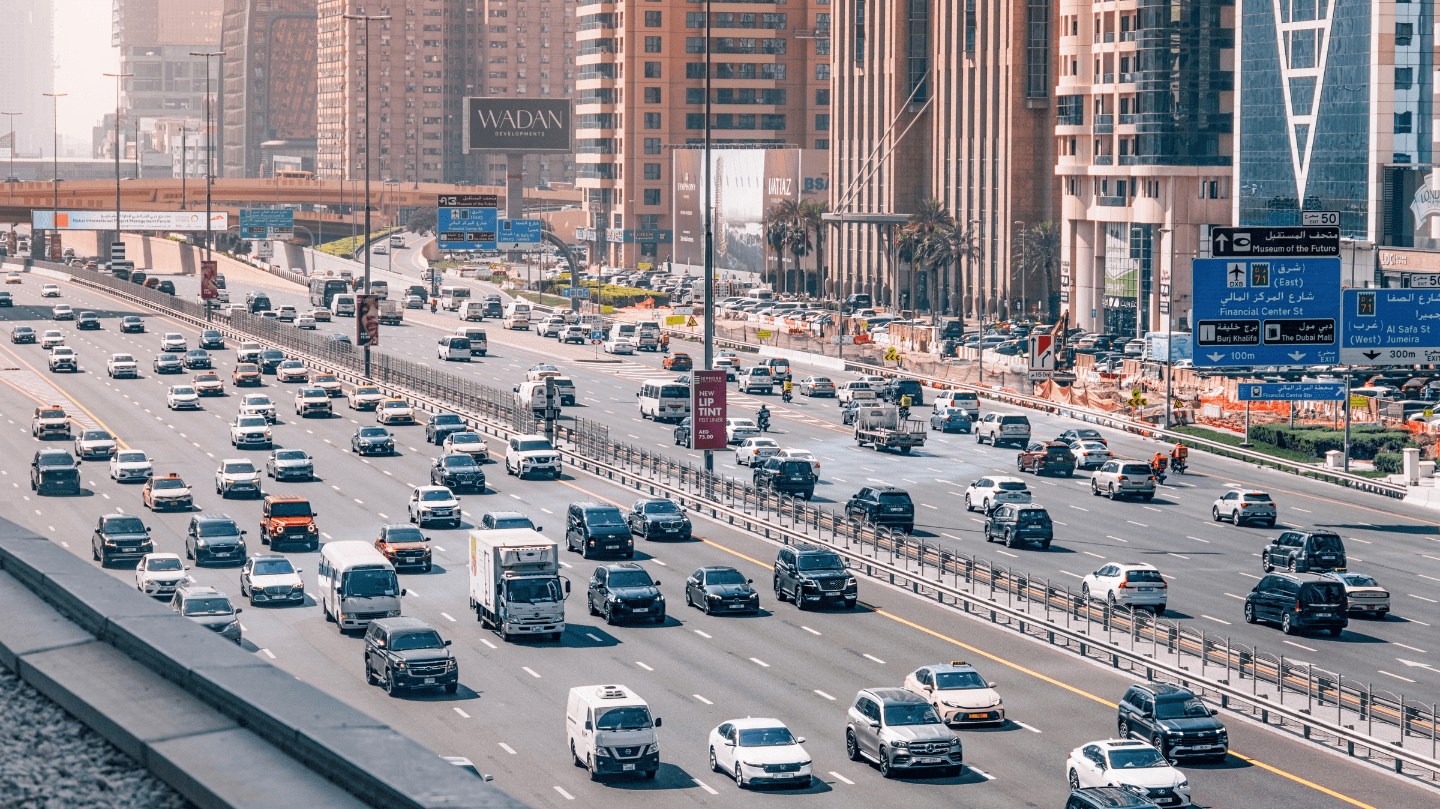
The honest answer is that Dubai's surface is filling up. The roads that were empty in old photographs now carry one of the busiest daily traffic loads in the region, and a city that keeps growing has only three directions available: outward into the desert, upward into the sky, or downward into ground nobody is using. Dubai has done the first two for decades. The third is the last untouched real estate in the city, and it comes with a bonus: tunnels do not care about heat, sandstorms or what the skyline looks like. The Loop is also not arriving alone. The Metro's 20.5 billion dirham Blue Line is under way with 14 new stations planned for 2029, and Etihad Rail's passenger service reached Dubai this very month. Quietly, the UAE is assembling something it has never had before: a full transport network where the car is optional.
The part of the bet most people will miss
Here is the detail worth pausing on. The most photographed city on Earth has concluded that its next competitive edge is infrastructure nobody will ever post a picture of. That is a genuinely mature calculation. Landmarks attract visitors, but what keeps people, companies and capital in a city long-term is the machinery underneath: how fast you can move, how reliably things work, how little friction daily life carries. Dubai built the visible city first because visibility is what put it on the map. Now it is investing billions in the invisible layer, because invisibility is what keeps a city working once the world has arrived.
There is a lesson in that for anyone running anything. Every business has its skyline, the brand, the office, the launch events, and its tunnels, the systems, the records, the quiet processes that move everything underneath. The skyline wins attention. The tunnels decide whether the whole thing actually functions, and the organisations that last are the ones that fund both, especially the part nobody applauds. Dubai understood this about itself before most companies do: at some point, the smartest money stops going into what people can see and starts going into what they can feel, three minutes instead of twenty, every single day.
The machines start digging within months. The city above will look exactly the same, and that, for once in Dubai, is the whole idea.