
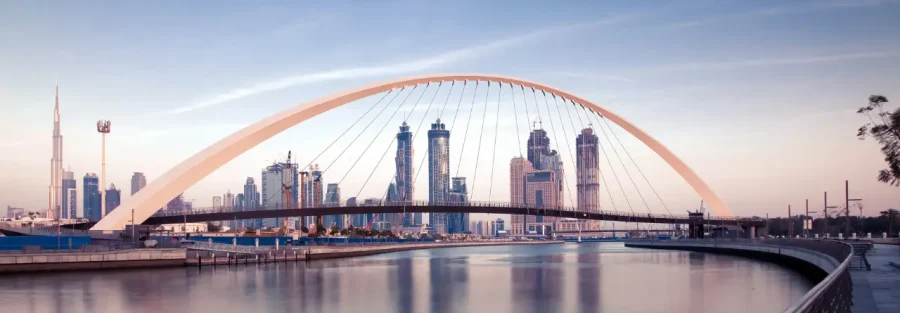
Walk through any major city and one feature inevitably dominates the skyline, skyscrapers. From New York and Dubai to Shanghai and Kuala Lumpur, these towering structures are more than engineering achievements. They reflect how societies see themselves, what they aspire to become, and how they want to be remembered.
For centuries, humanity has been fascinated by height. Ancient civilizations built pyramids, cathedrals, and watchtowers to demonstrate power, faith, and innovation. Today’s skyscrapers continue that tradition, but they also tell a deeper story. They represent ambition, economic confidence, national identity, and an enduring desire to leave a lasting legacy.
As cities become more competitive on the global stage, the race to build higher is no longer just about architecture. It is about influence, vision, and the image a nation projects to the world.
More Than Buildings, They Are Symbols
A skyscraper is rarely constructed simply because a city needs another office building. These projects often become symbols that define an era or a nation’s aspirations.
When people think of cities like Dubai, New York, or Singapore, iconic skylines are often among the first images that come to mind. Tall buildings become visual shorthand for progress, innovation, and economic strength. They communicate confidence to investors, tourists, businesses, and future generations.
Architecture has always played a role in shaping national identity. Just as historic monuments represented cultural achievements in the past, modern skylines increasingly reflect a country’s economic ambitions and its readiness to compete globally.
The Psychology Behind Building Higher
Psychologists have long suggested that humans associate height with authority, achievement, and success. Research in social psychology has found that people often perceive taller individuals as more influential or capable. While buildings are not people, many of these psychological associations extend into architecture.
Height naturally attracts attention. A skyline dominated by iconic towers creates a sense of possibility and progress. For governments, developers, and businesses, constructing landmark buildings sends a message that they are investing in the future rather than standing still.
There is also an emotional element. Landmark buildings create pride among residents and become recognizable symbols for visitors. Over time, they contribute to a shared identity, helping people connect with the cities they call home.
Urban Competition in a Global Economy
Today’s cities are competing for far more than tourists. They are competing for multinational companies, skilled professionals, entrepreneurs, global events, and international investment.
Modern skylines have become part of a city’s global brand.
According to the United Nations, approximately 57 percent of the world’s population now lives in urban areas, and this figure is expected to approach 70 percent by 2050. As urban populations continue to grow, cities face increasing pressure to maximize limited land while supporting economic development and sustainability.
Vertical construction offers one practical solution. Rather than expanding outward indefinitely, cities can accommodate more businesses, residents, and public services within a smaller footprint.
However, successful skyscrapers are not measured solely by their height. They must also integrate transportation, public spaces, sustainability, and community needs into the broader urban environment.
The Balance Between Prestige and Practicality
While record-breaking towers often attract headlines, modern urban planning increasingly emphasizes functionality over spectacle.
Today’s leading skyscrapers incorporate energy-efficient technologies, smart building systems, flexible workspaces, and environmental certifications. Many are designed to reduce energy consumption while improving occupant wellbeing.
According to the Council on Tall Buildings and Urban Habitat (CTBUH), sustainable design has become one of the defining characteristics of new high-rise developments worldwide. Developers are placing greater emphasis on resilience, operational efficiency, and environmental performance rather than simply competing for height.
This reflects a broader shift in priorities. Success is no longer defined by building the tallest structure, but by creating buildings that contribute meaningfully to the city’s long-term future.
Skyscrapers as Economic Confidence
Large-scale developments require substantial financial investment, long planning cycles, and confidence in future economic growth. As a result, skyscrapers often become indicators of optimism.
When businesses commit to major developments, they signal belief in the city’s long-term potential. These projects generate employment during construction, stimulate surrounding industries, and often attract new commercial activity.
At the same time, iconic buildings help strengthen international visibility. They become destinations for tourism, business conferences, and investment, reinforcing the city’s position within the global economy.
However, experience has also shown that sustainable growth requires balance. Urban development succeeds when architectural ambition is supported by sound governance, infrastructure planning, environmental responsibility, and inclusive economic policies.
Looking Beyond Height
Perhaps the most interesting question is no longer, “How high can we build?”
Instead, it is, “Why are we building?”
The most admired cities today are not necessarily those with the tallest skylines. They are the ones that create environments where people can work, innovate, connect, and thrive.
Skyscrapers can certainly inspire. They can symbolize resilience after periods of uncertainty, celebrate technological progress, and project national confidence. Yet their greatest value lies in how they contribute to the people living and working around them.
Architecture shapes behavior. Well-designed spaces encourage collaboration, creativity, and a sense of belonging. Poorly designed ones can isolate communities despite impressive appearances.
Ultimately, skyscrapers are mirrors of human ambition. Every tower reflects a collective decision to invest in the future and to imagine possibilities beyond today’s horizon.
Final Thoughts
The world’s tallest buildings capture attention because they challenge engineering limits. Their lasting significance, however, comes from what they represent.
They tell stories about ambition, identity, innovation, and national vision. They remind us that cities are living reflections of the people who build them and the values they choose to prioritize.
As urban landscapes continue to evolve, the conversation will gradually shift from building higher to building smarter, more sustainably, and with greater purpose. In the end, the most successful skylines will not simply reach the clouds. They will improve the lives of the people beneath them.